

Beyond Burnout: Rediscovering Balance and Resilience in a Demanding World

In our fast-paced, demanding world, burnout has become an all too common phenomenon. The constant pressure to excel in our careers, maintain relationships, and meet personal expectations can leave us feeling emotionally and physically exhausted. Recognizing the signs of burnout and implementing strategies to manage it is crucial for our well-being. In this blog post, we will explore effective techniques and insights to help you navigate burnout and restore balance in your life.
Recognize the Signs of Burnout
The first step in managing burnout is acknowledging its presence. Burnout manifests differently in each individual, but common signs include chronic fatigue, cynicism, decreased productivity, detachment from work or relationships, and emotional exhaustion. Pay attention to changes in your mood, energy levels, and motivation. Recognizing the signs early on allows you to take proactive steps to address burnout before it becomes overwhelming.
Practice Self-Care
Self-care is a powerful tool for managing burnout. It involves prioritizing your physical, emotional, and mental well-being. Engage in activities that recharge and rejuvenate you. Make time for hobbies, exercise regularly, practice mindfulness or meditation, and ensure you get enough sleep. Self-care also means setting boundaries and learning to say no when necessary. Remember, taking care of yourself is not selfish; it is essential for your overall well-being.
Seek Support
Navigating burnout alone can be challenging. Reach out to trusted friends, family members, or colleagues for support. Share your feelings and experiences with someone who can offer a listening ear and empathetic advice. Consider seeking professional help from a therapist who specializes in burnout and stress management. Therapy can provide valuable insights, coping strategies, and a safe space to explore and address the underlying causes of burnout.
Establish Work-Life Balance
Maintaining a healthy work-life balance is crucial in managing burnout. Set clear boundaries between work and personal life. Avoid overworking and ensure you have time for relaxation, hobbies, and quality time with loved ones. Schedule regular breaks throughout the day to recharge and reset. Remember, productivity and success are not solely determined by the number of hours you work but by the quality of work you produce and the overall well-being you experience.
Practice Mindfulness and Stress Reduction Techniques
Incorporating mindfulness and stress reduction techniques into your daily routine can significantly help manage burnout. Mindfulness involves being fully present in the moment, observing your thoughts and emotions without judgment. Take short breaks during the day to practice deep breathing exercises, meditation, or gentle stretching. These techniques can help reduce stress, increase self-awareness, and foster a sense of calm amidst the chaos.
Reassess Priorities and Set Realistic Goals
Burnout often arises when our priorities and goals become misaligned. Take a step back and reassess your values, aspirations, and commitments. Identify what truly matters to you and adjust your goals accordingly. Break larger tasks into smaller, manageable steps, and celebrate your progress along the way. Setting realistic goals helps to alleviate pressure and fosters a sense of accomplishment, which can fuel motivation and combat burnout.
Managing burnout is a multifaceted journey that requires self-awareness, self-care, and a willingness to make meaningful changes. By recognizing the signs of burnout, practicing self-care, seeking support, establishing work-life balance, embracing mindfulness, and reassessing priorities, you can regain control and rekindle your inner flame. Remember, managing burnout is not a one-time fix but an ongoing process of self-discovery and self-care. Prioritize your well-being, listen to your needs, and take proactive steps towards a healthier, more balanced life.

Have you ever noticed that your mood, anxiety, irritability, or sense of overwhelm seems to change dramatically at certain times of the month?
Maybe you feel like a different person for one or two weeks before your period. You might become unusually anxious, depressed, angry, emotionally overwhelmed, or disconnected from the people you love. Then, once your period begins, those symptoms seem to lift.
If this pattern sounds familiar, you may have wondered whether you're experiencing depression, anxiety, bipolar disorder, ADHD, or another mental health condition.
For some people, the underlying issue may be premenstrual dysphoric disorder, commonly known as PMDD.

Have you recently woken up feeling a profound sense of dissatisfaction with your career, your relationships, or your daily routine? Do you look in the mirror and wonder, “Is this all there is?”
If you are between the ages of 40 and 60, you might be experiencing what is commonly known as a midlife crisis.
While pop culture often treats this phase as a joke usually involving an impulsive sports car purchase the psychological reality can feel disorienting and deeply unsettling. As an individual therapist, I work with many adults navigating this transitional period. Recognizing the emotional and behavioral signs is the first step toward transforming a crisis into a powerful breakthrough.

The digital world is evolving fast. Today, Artificial Intelligence (AI) can write essays, generate art, and simulate conversations. With the rise of mental health apps, some folks wonder: Can AI replace my therapist?


Have you ever wondered why certain arguments with your partner feel so much bigger than the actual problem at hand? Perhaps a missed text message triggers a wave of panic, or a partner’s request for space feels like a total rejection. If these emotional reactions feel intense or even uncontrollable, you might be experiencing the echoes of attachment trauma.

Searching for a therapist can feel a lot like online dating—you’re looking for a "click," but the stakes feel much higher. Whether you’re navigating a midlife transition, relationship hurdles, or the weight of anxiety, finding a provider in Round Rock who truly "gets" you is the first step toward healing.
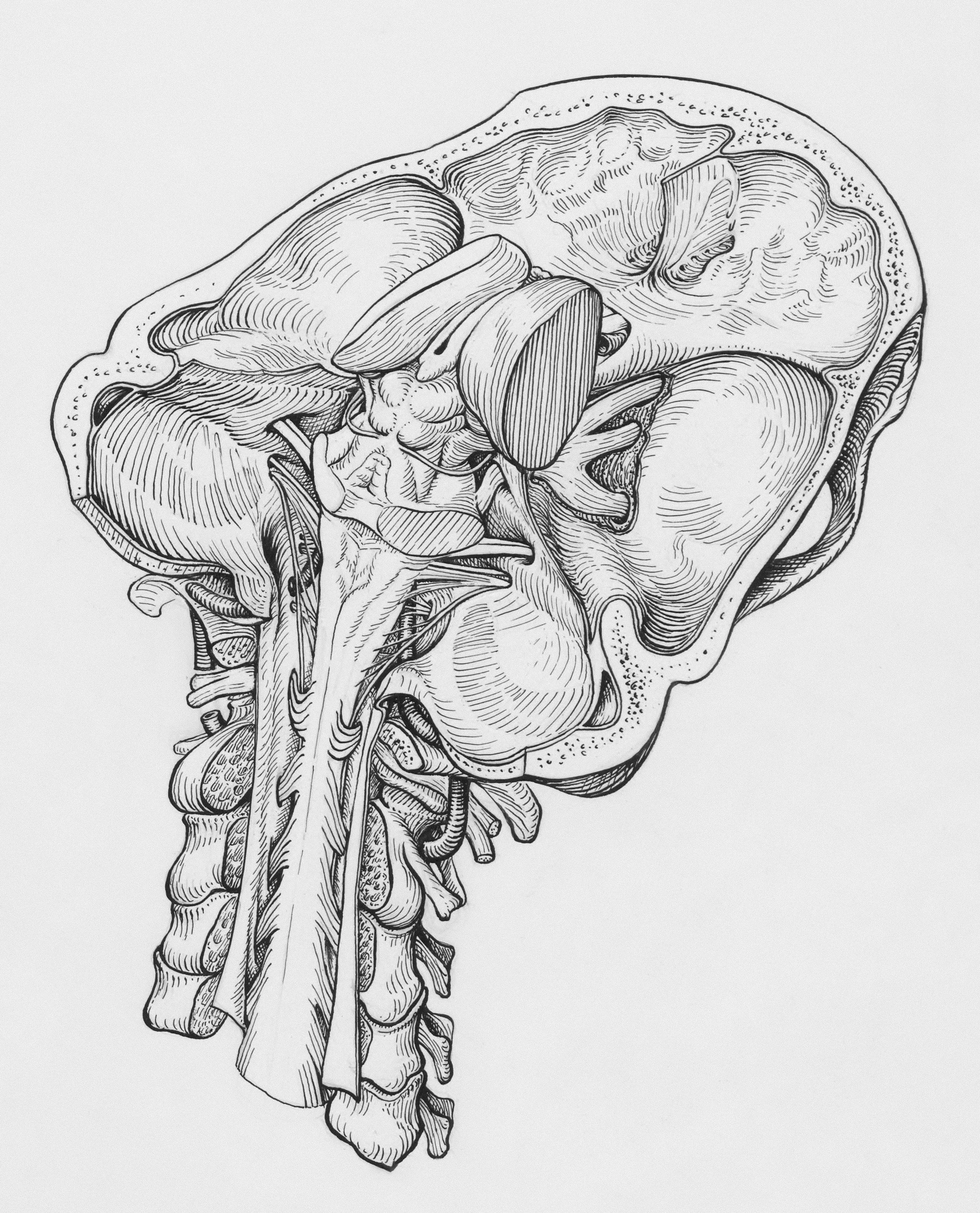
EMDR (Eye Movement Desensitization and Reprocessing) is a structured, evidence-based therapy that helps people process distressing experiences in a way that feels more integrated and less overwhelming. Rather than focusing only on talking through events, EMDR works with how the brain and nervous system store and respond to memories.

Many adults are surprised by how hard friendship can feel. Making new friends takes effort, and maintaining long-term friendships can feel even harder as life changes. From a therapy perspective, this struggle is not a personal failure—it’s a reflection of how complex adult relationships really are.

The end of the year often brings a natural pause. Without trying to force resolutions or self-improvement, many people find themselves reflecting on how they’ve changed—and what still feels unfinished.
As an individual therapist in Round Rock, Texas, I often hear clients say they didn’t realize how much had shifted until they stopped to look back. Growth is rarely loud or linear. More often, it shows up quietly in how you respond, what you tolerate less of, or what you finally allow yourself to want.
Year-end reflection isn’t about judging your progress. It’s about making sense of change and honoring the ways you’ve adapted.

Learn how perimenopause affects mental health, mood, and anxiety. Discover emotional symptoms of perimenopause and how therapy can support women in their 30s, 40s, and 50s through this transition.

When we think about unhealthy relationships, our minds often jump to romantic partnerships. But the truth is, emotional manipulation—including tactics like love bombing and gaslighting—can happen in any kind of relationship, whether it's with a friend, family member, co-worker, or romantic partner.
These behaviors can be subtle at first, which is why it's so important to understand the signs, how they work, and how to protect your emotional well-being.

Growing up with emotionally immature parents often means your emotional needs were unmet—not because you were unworthy of love, but because your caregivers lacked the capacity to give it. As a result, you may carry deep emotional confusion, self-doubt, or a feeling of being “too much” or “not enough.”



In today’s world, sociopolitical issues are everywhere—on social media, in the news, and in conversations around the dinner table. Whether it's debates over social justice, political conflict, or global instability, these issues can have a profound impact on your mental health. The constant exposure to political news and social movements can create sociopolitical stress, leaving you feeling anxious, overwhelmed, and even hopeless.
In this guide, we’ll explore how sociopolitical stress affects your mental health, why it’s so challenging to navigate, and practical strategies to help you cope with the emotional toll of living in today’s politically charged world.

ADHD, or Attention-Deficit/Hyperactivity Disorder, is often perceived as a condition that predominantly affects children, especially boys. However, the reality is that ADHD in adult women can be just as prevalent, and it is often underdiagnosed or misdiagnosed. Many adult women with ADHD remain undiagnosed for years, struggling silently with a range of ADHD symptoms that affect their personal, professional, and social lives.
As an individual therapist, understanding the nuanced symptoms of ADHD in women is critical for providing the right support and treatment. This blog will explore common ADHD symptoms in adult women, how they manifest differently in women, and the challenges they may face in seeking help.


People-pleasing is a behavior many individuals struggle with, yet few fully understand the origins or the profound impact it has on their mental well-being. In this blog, we'll explore the roots of people-pleasing, how it develops over time, and most importantly, how you can take actionable steps toward healthier relationships with yourself and others.

Exploring Trauma-Informed ACT Therapy: A Path to Healing
Trauma can have a profound impact on our lives, affecting our mental health and overall well-being. At our therapy practice, we are committed to providing compassionate, effective treatment for trauma. One powerful approach we utilize is Trauma-Informed Acceptance and Commitment Therapy (ACT). In this blog post, we’ll delve into what Trauma-Informed ACT Therapy is, how it works, and the benefits it offers for those struggling with trauma.

Are you or someone you know struggling with Obsessive-Compulsive Disorder (OCD)? If so, you're not alone. OCD is a mental health condition that affects millions of people worldwide, but the good news is that effective treatments are available. One such treatment is Exposure and Response Prevention (ERP), which has been shown to significantly alleviate symptoms. In this blog post, we’ll explore the symptoms of OCD and how ERP therapy can help you or your loved one find relief.

Experiencing grief is a deeply personal journey that often feels overwhelming and isolating. As a therapist dedicated to supporting your emotional well-being, understanding the five stages of grief can empower you to navigate this challenging process with resilience and compassion. Let’s explore how these stages unfold and how therapy can be a guiding light during this difficult time.

In the realm of therapy, Acceptance and Commitment Therapy (ACT) emerges as a powerful tool for individuals grappling with perfectionism. As a therapist who implements effective strategies to help you overcome the burdens of unrealistic standards, understanding ACT can revolutionize your life and foster lasting transformations.



Discover effective tips from a seasoned therapist on how to manage holiday stress and maintain emotional well-being. Learn practical techniques for a more fulfilling and balanced holiday experience.

Discover the signs that indicate it's time for couples to seek therapy. Gain valuable insights from a seasoned therapist on when and how to take the first step towards strengthening your relationship.

Discover the power of Cognitive Defusion in Acceptance and Commitment Therapy (ACT). Learn how this technique can help you detach from negative thoughts and lead a more fulfilled life. Gain insights from a therapist in Texas.
 High Five Design Co.
High Five Design Co. by Emily Whitish is a design and digital marketing company in Seattle, WA. I specialize in Website Templates and custom One-Day Websites for therapists, counselors, and coaches.